
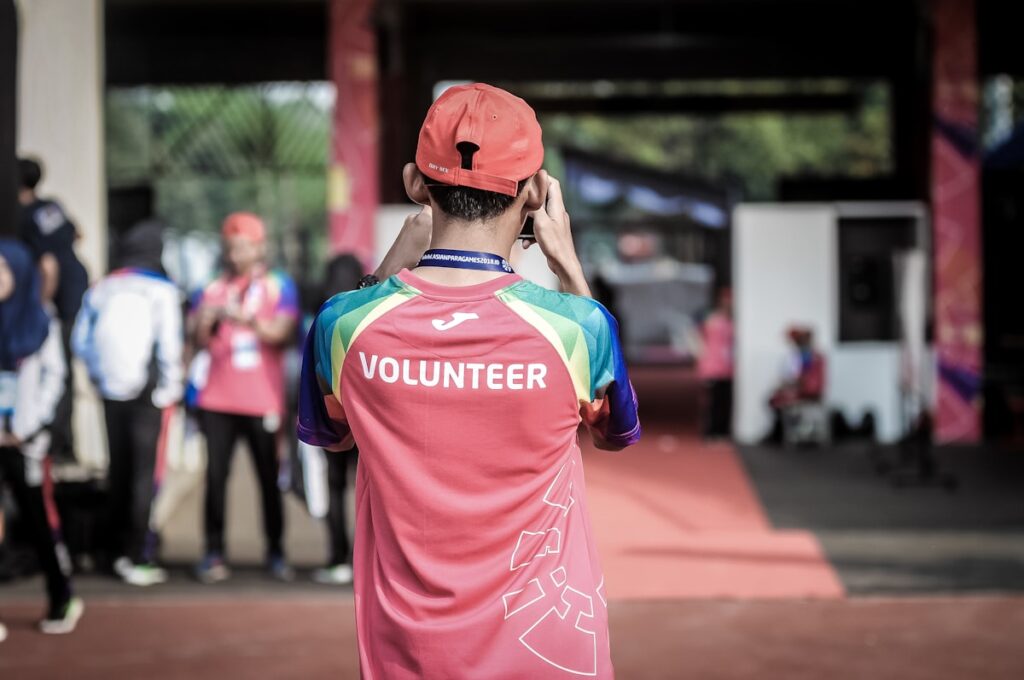
We often think of volunteering as something we do for others. The food drive for the hungry. The plantation for the planet. The awareness campaign for the marginalised. And yes, volunteering does all of that. But an emerging body of neuroscience and psychology research reveals something remarkable: volunteering may be as good for the volunteer as for those they serve.
The Helper’s High is Real
Neuroscientists at the National Institutes of Health (NIH) found that charitable giving and prosocial behaviour activate the same reward circuits in the brain as food and sex — the mesolimbic dopamine system. This effect, sometimes called the “helper’s high,” is a measurable neurological response to acts of generosity and service.

But the benefits do not stop at a temporary mood lift. Regular volunteers show sustained lower levels of cortisol (the stress hormone), better immune function, and significantly lower rates of depression and anxiety in longitudinal studies.
Social Connection Builds Brain Health
Volunteering is inherently social. It puts you in contact with a diverse community of people — different ages, backgrounds, skills and perspectives. This social engagement is among the most powerful protectors against cognitive decline as we age. Studies of older volunteers consistently show better memory, stronger executive function and lower risk of dementia compared to non-volunteering peers.
For young people, the social skills built through volunteering — conflict resolution, collaborative decision-making, empathy in action — are exactly the skills that employers, partners and communities most value.
The Identity Effect
Something profound happens when you begin to see yourself as a volunteer, an activist, or a community builder. Your identity shifts from passive recipient of the world’s events to active co-creator of your community’s future. This sense of agency — the feeling that your actions matter — is one of the most robust predictors of psychological resilience.
Circle CAA volunteers regularly tell us that their work with us changed how they see themselves. Not just as people who do good, but as people who are capable of change. That belief is, in itself, transformative.
If you are looking for a reason to start volunteering, the science suggests the benefits begin immediately. Join us at Circle CAA and find your cause.

Leave a Reply