
A smartphone is in nearly every pocket in India. But owning a device is not the same as being digitally literate. The gap between having access to technology and being able to use it safely, critically and productively is one of the defining inequalities of our era.
In Rajsamand, as in much of rural India, many first-time internet users encounter the digital world through a single platform — WhatsApp — and navigate it without any formal guidance on identifying misinformation, protecting their privacy, avoiding online fraud, or accessing the vast range of government and educational resources available online.

The Costs of Digital Illiteracy
The consequences are serious and well-documented. Misinformation spread via WhatsApp has incited violence, destroyed reputations and driven medical misinformation that costs lives. Online fraud targeting people unfamiliar with digital security costs Indian citizens thousands of crores annually. Young people without digital skills are increasingly unable to compete for jobs, access higher education, or participate in civic life.
And on the flip side: digital literacy opens extraordinary doors. Government schemes — subsidies, scholarships, health programmes, employment registrations — are increasingly accessible only through digital channels. A person who can navigate these systems is empowered; a person who cannot is dependent on intermediaries who may or may not act in their interest.
Circle CAA’s Digital Literacy Workshops
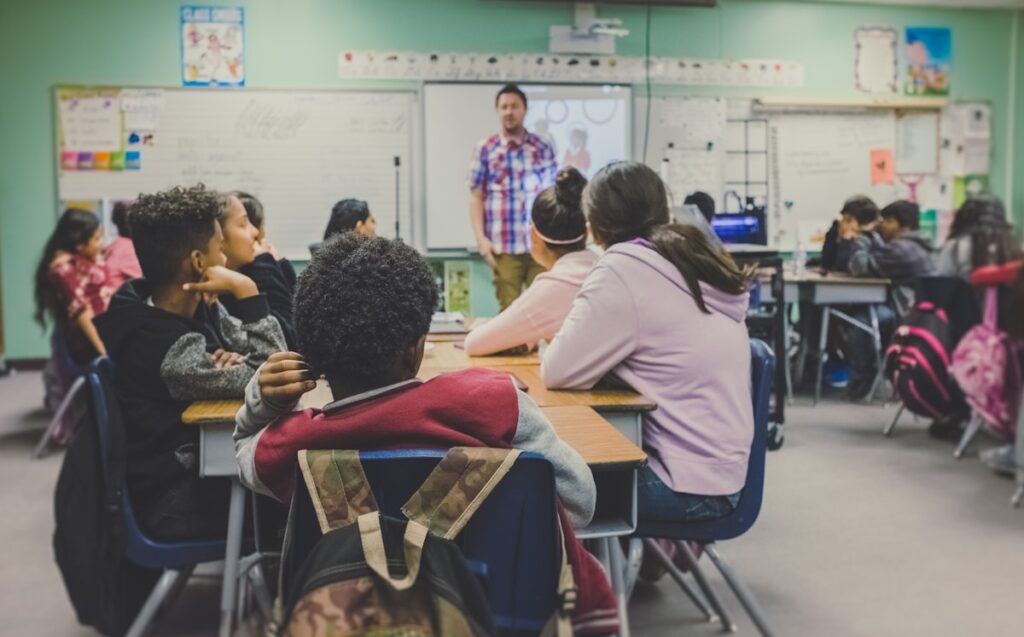
Our workshops — held in schools, community centres and women’s self-help groups — cover the practical basics: identifying fake news, protecting personal data, safely using digital payments, accessing government portals and using educational apps. We adapt our materials to different age groups and comfort levels, starting where participants actually are rather than where we wish they were.
The response has been remarkable. Women who have never typed on a keyboard are accessing bank accounts independently. Farmers are using weather apps and market price platforms to make better decisions. Students are discovering online libraries, scholarship portals and learning resources that simply were not available to their older siblings.

Leave a Reply